Dodo Bird
A flightless Bird from the past
A flightless Bird from the past
.jpg)
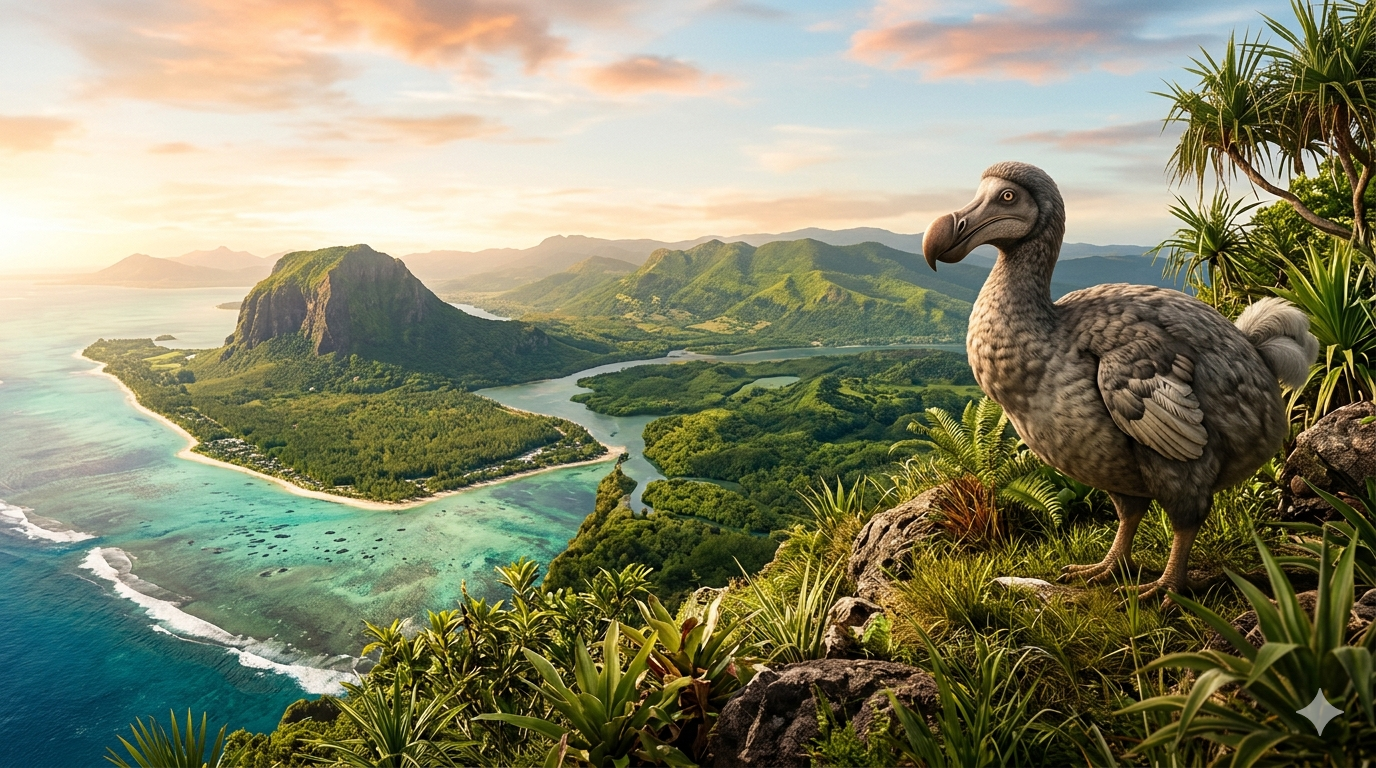
The only place where Dodos lived was the island of Mauritius which is in the Indian Ocean. Mauritius is about 500 miles east of Madagascar. It is believed that at the time of the dodo the island had lakes, wetlands and forest with dense canopies which made it possible for the dodos to live. The dodo’s primary environment where the forest, but there have been remains found in caves in some of the mountain areas of the island. The lakes provide the water/moister in another wise dryer environment. The climate is a maritime subtropical which uniform temperate throughout the year. The temperate ranges around mid-70s to high 60. The rainfall is about 35 inches on the west coast and 60 on the southeast.
.jpg)
Some of the adaptive traits of the dodo were their larger size, nesting on the ground, beak shape, and being flightless our all examples of this. The larger size of the dodo came from the lack of competition for resources from other mammalian herbivores, this is also why they became flightless as they had no need to fly. Their beak shape adapted to the food that was easy for them to get. Their nesting on the ground also stemmed from them being flightless and not having to worry about predators staling their eggs.
The reproduction of the dodo is one of the lesser-known facts about the dodo. Our best guess on when the mating periods of the dodo is during august, and we do have a good idea of their nest. They were made deep in the forest out of beds of grass where the female would lay one egg and protect it and raise the young dodo. We have no good way of telling if they had any mating rituals or how mates were attracted but it is a safe assumption that they would have similar traits to other birds. There is close relative the pigeons often use walking in circles bowing or swaying as part of a ritual so we could assume that the dodo would have done similar things. Their way of attracting mates was most likely a combination of flapping their wings, head-dipping, noises, or maybe even something else.
.jpg)
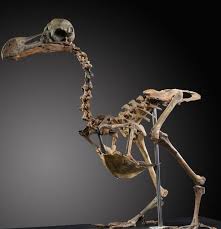
Skeletal system: The dodo's skeletal system is quite similar to that of birds like the pigeon. It has many of the same features as the keel, and beak. Though a lot of the features have adapted to becoming larger or have changed purpose. The wing bones are an example of this as they have shortened and have lost the ability to fly. The beak has adapted to become larger like most of the dodo and is used to eat the food on the island.
Digestive system: the digestive system of the dodo is not well known but we do know that one of the key aspects of it was the gizzard as the dodo was known to swallow rocks. We also know it will be quite similar if not identical to the pigeon digestive system. The dodo was an omnivore and had a large digestive track.
respiratory system: the dodo’s respiratory system is also not well known but like the digestive system we know it is similar to a pigeon’s respiratory system and other birds. The dodo most likely had air sacs that are connected to their lungs making their system about twice as good as a mammal. The gas exchange most likely took place between the air capillaries and the blood capillaries making the surface analogous.
Circulatory system: The Circulatory, like the others is not well known but we can still link it back to birds and of course the pigeon as it’s the closest living relative. The circulatory system of the dodo would have been very good as it came from flying birds who have high metabolic demand for flight. The dodo might not have flown but it ran and swam using this system. It has a 4 chambered heart and vessels transport the oxygen rich blood thought the body then back to the heart completing the circulatory loop.
There is some uncertainty in the habits of the dodo as it was not well documented, and reports form the time conflict with how we would have reconstructed the dodo with the evidence. There were many reports saying there were slow, stupid, and heavy set, but there are people who say they were slender and agile. What we do know is that they had fating cycle where during the southern hemisphere winter they would fatten up. It is also known they spent time all over the coast in the lowland, mountains and forest where they lived
The dodo had a varied diet as sailors saw the dodo go into pools the catch fish and it is also believed that they ate fruits and seeds Aswell. They are omnivores, meaning they eat meat and plants. They have also been seen eating rocks, this is for their digestive system. They had a fatting cycle where during the southern hemispheres winter they would fatten up and during other periods they would stay slim (for their heavy-set build) and agile.
Social Patterns
The dodos’ social patterns are not well documented, but it is believed that they lived in small groups that consisted of their family, although it is believed that they were able to gather in larger numbers if resources were abundant. They had no fear as they had no natural predators and were generally peaceful as there were no predators and plenty of food to go around. One aspect of the dodo that intreating is that dodos would group up to help a dodo in distress, it often walked into danger to try and help. That most likely stemmed from them not needing to worry about predators so they could help without the fear of getting hurt themselves.